Surveillance snapshot: Illness and injury burdens among reserve component members of the U.S. Armed Forces, 2024
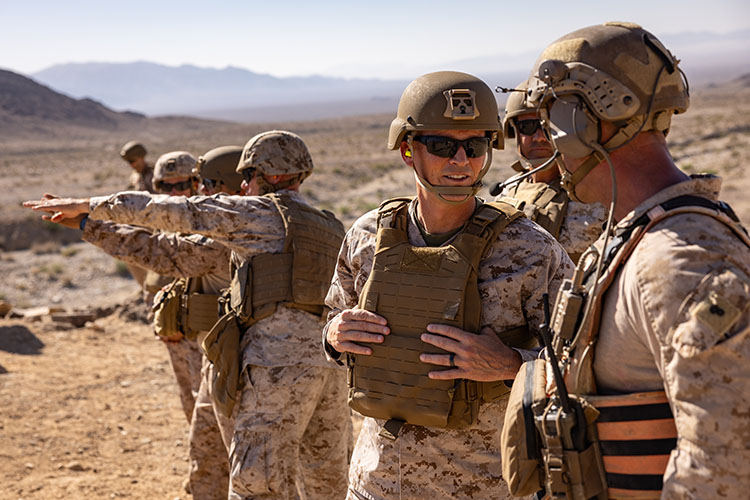 This Surveillance Snapshot presents 2024 data on the burdens of illness and injury among reserve component members of the U.S. Armed Forces.
You also may be interested in...
Article
July 1, 2026
This brief annual summary documents the frequencies, rates, trends, and distributions of various illnesses and injuries among members of the reserve component of the U.S. Armed Forces, based on standardized records from U.S. military and civilian medical facilities worldwide.
Article
July 1, 2026
This annual summary documents health care services provided by the Military Health System to beneficiaries of service members in 2025, including family members, retirees, and family members of retirees.
Article
July 1, 2026
This brief summary documents the frequencies, rates, trends, and distributions of various illnesses and injuries among recruit trainees of the active component of the U.S. Armed Forces in 2025, based on standardized records from U.S. military medical facilities.
Article
July 1, 2026
This annual summary documents the frequencies, rates, trends, and distributions of ambulatory visits, or outpatient care, among members of the active component of the U.S. Armed Forces, based on standardized records from U.S. military and civilian medical facilities worldwide.
Report
May 1, 2026
 .PDF |
2.07 MB
.PDF |
2.07 MB
The May 2026 MSMR features four full reports and a brief report, beginning with the annual update of heat exhaustion and heat stroke among U.S. active component service members, 2021–2025; complemented by the annual updates on exertional rhabdomyolysis and exertional hyponatremia among active component service members, 2021–2025; followed by the ...
Article
May 1, 2026
This month’s edition of the MSMR reportable medical event summary provides an overview of data for 2025 for both active component service members and Military Health System beneficiaries.
Article
May 1, 2026
This annual report summarizes exertional hyponatremia case frequency, rates, trends, demographics, geographic locations, and specific military characteristics from 2021 through 2025 for U.S. active component service members.
Article
May 1, 2026
This annual report summarizes exertional rhabdomyolysis case frequency, rates, trends, demographics, geographic locations, and specific military characteristics from 2021 through 2025 for U.S. active component service members.
Article
May 1, 2026
This annual report presents summaries of heat stroke and heat exhaustion case counts, incidence rates, and locations from 2021 through 2025 for U.S. active component service members.
Article
May 1, 2026
This annual report summarizes the epidemiological patterns of malarial infections among members of the U.S. Armed Forces from 2016 through 2025.
Report
April 1, 2026
.PDF |
1.30 MB
The April 2026 MSMR features two full reports and a brief report, beginning with a study of tobacco and nicotine use indicators from two data sources for U.S. active component service members in 2023; followed by a report on head and neck cancer among active component service members from 2010 to 2024; with brief report on the incidence of ...
Article
April 1, 2026
This brief report examines the incidence of oropharyngeal cancer, a subcategory of head and neck cancer, diagnosed among U.S. active component service members from 2005 to 2024.
Article
April 1, 2026
This study combined two sources of medical data to classify nicotine and tobacco use among U.S. active component service members as exposures delineated by recent use or history of any use.
Article
April 1, 2026
This report estimates the 2010–2024 incidence of head and neck cancer among U.S. active component service members, updating a 2007-2019 analysis of oral and pharyngeal cancers published in MSMR by expanding the case definition to include all head and neck cancers.
Report
March 1, 2026
.PDF |
1.74 MB
The March 2026 MSMR features two full reports and a Surveillance Snapshot, beginning with a report on mortality rates among U.S. service members, from 2010 to 2020; followed by a report on the incidence and burden of endometriosis among U.S. active component service women, 2017 to 2024; with a Surveillance Snapshot on mid-year populations by sex, age, ...
You are leaving Health.mil
The appearance of hyperlinks does not constitute endorsement by the Department of Defense of non-U.S. Government sites or the information, products, or services contained therein. Although the Defense Health Agency may or may not use these sites as additional distribution channels for Department of Defense information, it does not exercise editorial control over all of the information that you may find at these locations. Such links are provided consistent with the stated purpose of this website.
You are leaving Health.mil
View the external links disclaimer.
Last Updated: September 30, 2025