Abstract
Safeguarding the mental well-being of military service members is a critical strategic imperative for force readiness. This report summarizes the incidence of mental health disorders among U.S. active component service members (ACSMs) from January 1, 2021 through December 31, 2025. During the surveillance period, 582,279 ACSMs received at least 1 mental health diagnosis, and 1,050,231 total incident diagnoses were made. Overall incidence rates peaked in 2023 before declining slightly, through 2025. Adjustment, anxiety, and depressive disorders comprise the clinical burden majority of mental health care, accounting for 66.5% of all incident diagnoses. Diagnostic comorbidity was notably high, with 48.4% of affected ACSMs receiving diagnoses in multiple mental health categories. Female ACSMs generally experienced higher rates for most mental health conditions, while male ACSMs had higher incidence rates for alcohol- and substance-related disorders. Vulnerabilities related to occupation are prominent: Health care personnel evinced highest rates for most disorders, while combat-related functions were most closely associated with substance-related conditions. These findings underscore the ongoing need to prioritize access to mental health services for ACSMs. The high volume of co-occurring diagnoses and distinct occupational risks require robust, multi-disciplinary clinical resources to sustain a resilient and ready joint force.
What are the new findings?
From 2021 through 2025, over 1 million incident mental health diagnoses for U.S. active component service members occurred, with most of that health care burden a result of disorders related to adjustment, anxiety, and depression. Notably, those three disorder categories accounted for approximately two-thirds (66.5%) of all incident mental health diagnoses during the surveillance period.
What is the impact on readiness and force health protection?
The sustained high incidence of mental health disorders (10,990.6 per 100,000 person-years) in 2025 and high rates of diagnostic comorbidity among active component service members directly compromise operational readiness. Variations in diagnosis rates by sex, service branch, occupation, and length of service underscore the need for targeted, multidisciplinary interventions.
Background
A modern, effective fighting force requires service members who are not only physically fit but also cognitively and psychologically resilient.1 The complex nature of global security environments, coupled with the rigorous demands of continuous operations, necessitates a total force capable of adapting and performing under extreme pressure.2 Safeguarding the mental well-being of service members is not merely a medical objective, but a critical strategic imperative essential for sustained mission success and national security.3
In 2025, mental health disorders were a primary factor of health care provision among U.S. active component service members (ACSMs), accounting for a significant portion of both ambulatory care and hospitalizations.4 These disorders led to more hospital bed days than any other condition, contributing to more than half (51.0%) of all hospital bed days for this population.4 Although injuries were the primary factor in ambulatory health care encounters, mental health disorders constituted the second-largest category of total medical visits, affecting nearly 275,000 service members and generating approximately 2.6 million clinical encounters.4 Conditions such as adjustment disorders, major depressive disorders, and alcohol dependence require substantial health care resources, evidenced by the prolonged hospital stays associated with them, which frequently exceeded 10 days.5
To address this substantial clinical burden, the Department of War (DOW) has increasingly prioritized policies designed to destigmatize behavioral health care, protect patient privacy, and encourage early intervention. Central to this effort is implementation of the Brandon Act,6 which empowers service members to independently request and receive expedited mental health evaluations through their chains of command. Department Instruction 6490.08 reinforces crucial privacy protections for service members by strictly limiting notifications to commands within critical safety or mission impact parameters, thereby mitigating fear of career repercussions.7
Understanding the epidemiology of these mental health conditions is vital to optimize medical resource allocation and develop targeted prevention strategies. This report presents a summary of the numbers, types, and incidence rates (IRs) of mental health disorder diagnoses among U.S. ACSMs during a 5-year surveillance period, from 2021 through 2025.
Methods
The surveillance population for this study included all individuals who served in the active components of the U.S. Army, Navy, Air Force, Marine Corps, Coast Guard, and Space Force at any time during the surveillance period, January 1, 2021 through December 31, 2025. Because only 2023 Space Force personnel data were available, Space Force members were combined with Air Force personnel for this analysis.
All data utilized to determine mental health diagnoses were derived from records routinely maintained in the Defense Medical Surveillance System (DMSS). DMSS records document both ambulatory health care encounters and hospitalizations of U.S. active component service members at permanent military and civilian (if reimbursed through the Military Health System, or MHS) hospitals and clinics. Diagnoses were also derived from records of medical encounters of deployed service members documented in the Theater Medical Data Store (TMDS) within DMSS.
Mental health disorder diagnoses were ascertained from records of medical encounters that included International Classification of Diseases, 9th and 10th revisions (ICD-9/ICD-10) mental health disorder-specific diagnosis codes (ICD-9: 290–319; ICD-10: F01–F99) (Table 1) in the first or second diagnostic position. Although the MHS transitioned to ICD-10 coding on October 1, 2015, ICD-9 codes were included in this analysis, as some TMDS encounters still contain ICD-9 diagnoses necessary to identify and exclude prevalent cases documented in records before October 1, 2015. Diagnoses of pervasive developmental disorder (ICD-9: 299.*; ICD-10: F84.*), specific delays in development (ICD-9: 315.*; ICD-10: F80.*–F82.*, F88–F89), mental retardation (ICD-9: 317.*–319.*; ICD-10: F70–F79), tobacco use disorder and nicotine dependence (ICD-9: 305.1; ICD-10: F17.*), and post-concussion syndrome (ICD-9: 310.2; ICD-10: F07.81) were excluded from analysis.
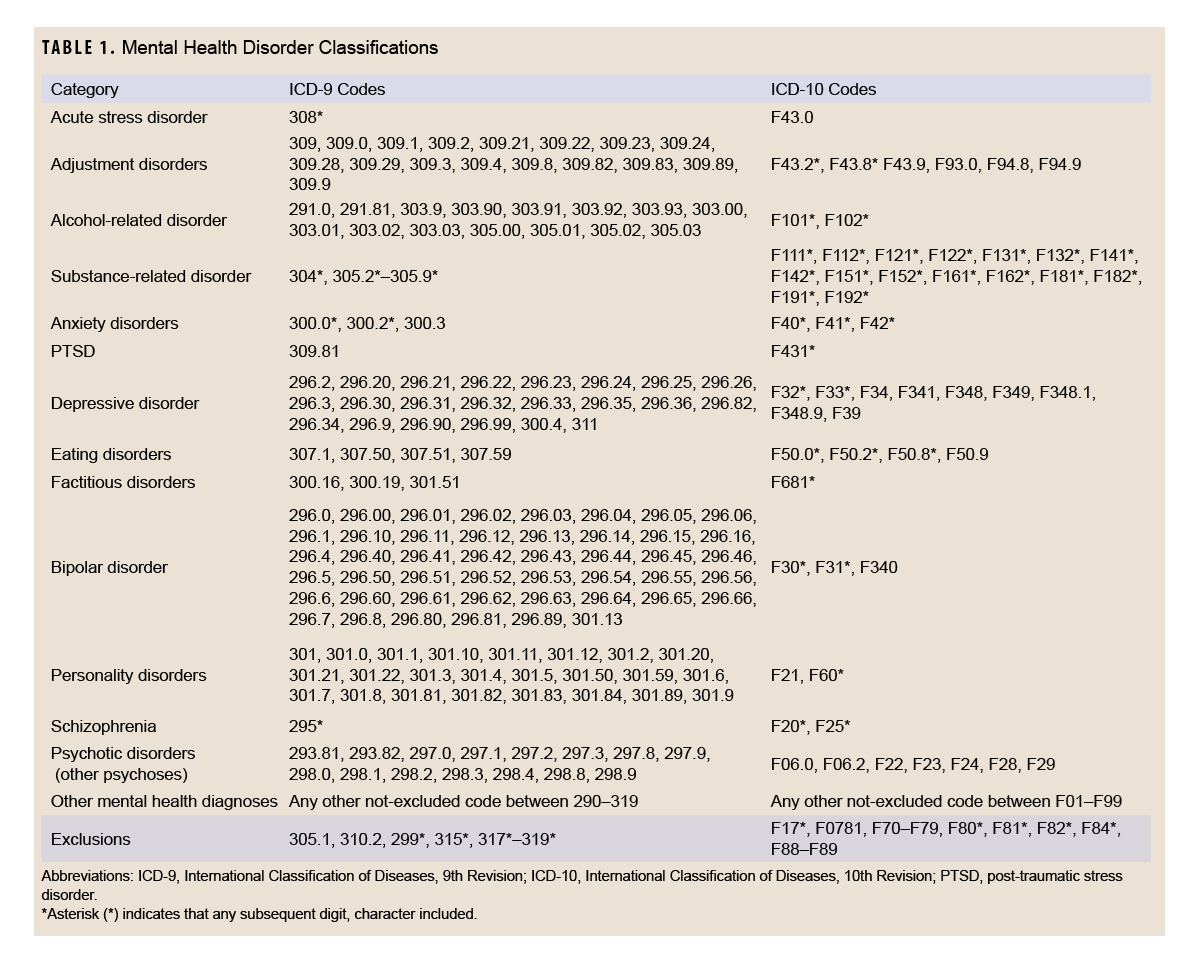
Each incident diagnosis of a mental health disorder was defined using the corresponding Armed Forces Health Surveillance Case Definition.8 For most mental health disorders, a case was defined by either a hospitalization with an indicator diagnosis in the first or second diagnostic position; 2 outpatient or TMDS visits within 180 days documented with indicator diagnoses (from the same mental health disorder category) in the first or second diagnostic position; or a single outpatient visit in a psychiatric or mental health care specialty setting (defined by Medical Expense and Performance Reporting System [MEPRS] code beginning with ‘BF’) with an indicator diagnosis in the first or second diagnostic position.
The surveillance case definitions for schizophrenia, acute stress disorder, and eating disorders included some exceptions to the case parameters described. The case definition for schizophrenia required either a single hospitalization with a diagnosis of schizophrenia in the first or second diagnostic position or 4 outpatient or TMDS encounters with a diagnosis of schizophrenia in the first or second diagnostic position. Schizophrenia cases who remained in the military for more than 2 years after becoming incident cases were excluded, as those cases were assumed to have been misdiagnosed. The case definition for acute stress disorders required 1 encounter with an indicator diagnosis in any diagnostic position, due to its transient diagnosis. Eating disorder cases required 1 inpatient encounter with an indicator diagnosis in the first or second diagnostic position, or a single outpatient or TMDS encounter with an indicator diagnosis in the primary diagnostic position.
Service members diagnosed with 1 or more mental health disorders before the surveillance period (i.e., prevalent cases) were not considered at risk of incident diagnoses of the same conditions during the period. Service members diagnosed with more than 1 mental health disorder during the surveillance period were considered incident cases in each category in which they fulfilled the case-defining criteria. Service members could be considered incident cases only once in each mental health disorder-specific category.
Results
Numbers and incidence rates of mental health diagnoses
During the 5-year surveillance period, 582,279 ACSMs were diagnosed with at least 1 mental health disorder; of those individuals, 282,073 (48.4%) were diagnosed with mental health disorders in more than 1 diagnostic category (Table 2). Overall, 1,050,231 incident diagnoses of mental health disorders were recorded in all diagnostic categories. Annual IRs of at least 1 mental health disorder increased from 10,254.3 per 100,000 person-years (p-yrs) in 2021 to 11,679.9 per 100,000 p-yrs in 2023, then decreased slightly to 11,539.6 in 2024 and 10,990.6 per 100,000 p-yrs in 2025 (Table 2).
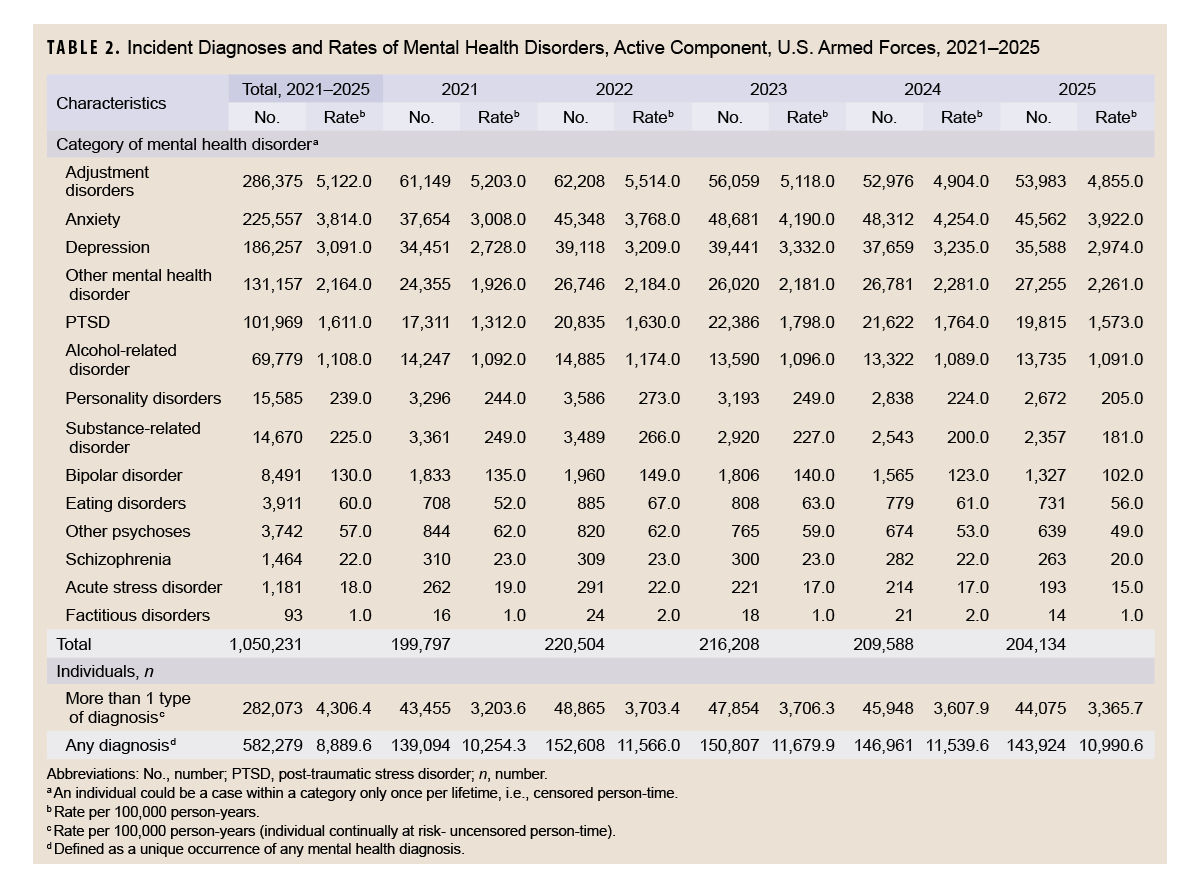
Over the entire surveillance period, 95% of all incident mental health diagnoses were attributed to adjustment disorders (n=286,375, 27.3%), anxiety disorders (n=225,557, 21.5%), depression disorders (n=186,257, 17.7%), ‘other’ mental health disorders (n=131,157, 12.5%), PTSD (n=101,969, 9.7%), and alcohol-related disorders (n=69,779, 6.6%) (Table 2). A relatively small number of incident diagnoses for personality disorders (n=15,585, 1.5%), substance-related disorders (n=14,670, 1.4%), bipolar disorder (n=8,491, 0.8%), eating disorders (n=3,911, 0.4%), other psychoses (n=3,742, 0.4%), schizophrenia (n=1,464, 0.1%), acute stress disorders (n=1,181, 0.1%), and factitious disorders (n=93, 0.01%) contributed to the incident mental health disorder diagnoses of ACSMs.
Annual IRs for adjustment, personality, substance-related, bipolar, and eating disorders increased from 2021 to 2022, then subsequently decreased. Anxiety evinced a gradual and steady increase over the 4-year surveillance period before declining in 2025. Depression and PTSD began to decrease in 2024 (Table 2).
Co-occurring mental health diagnoses
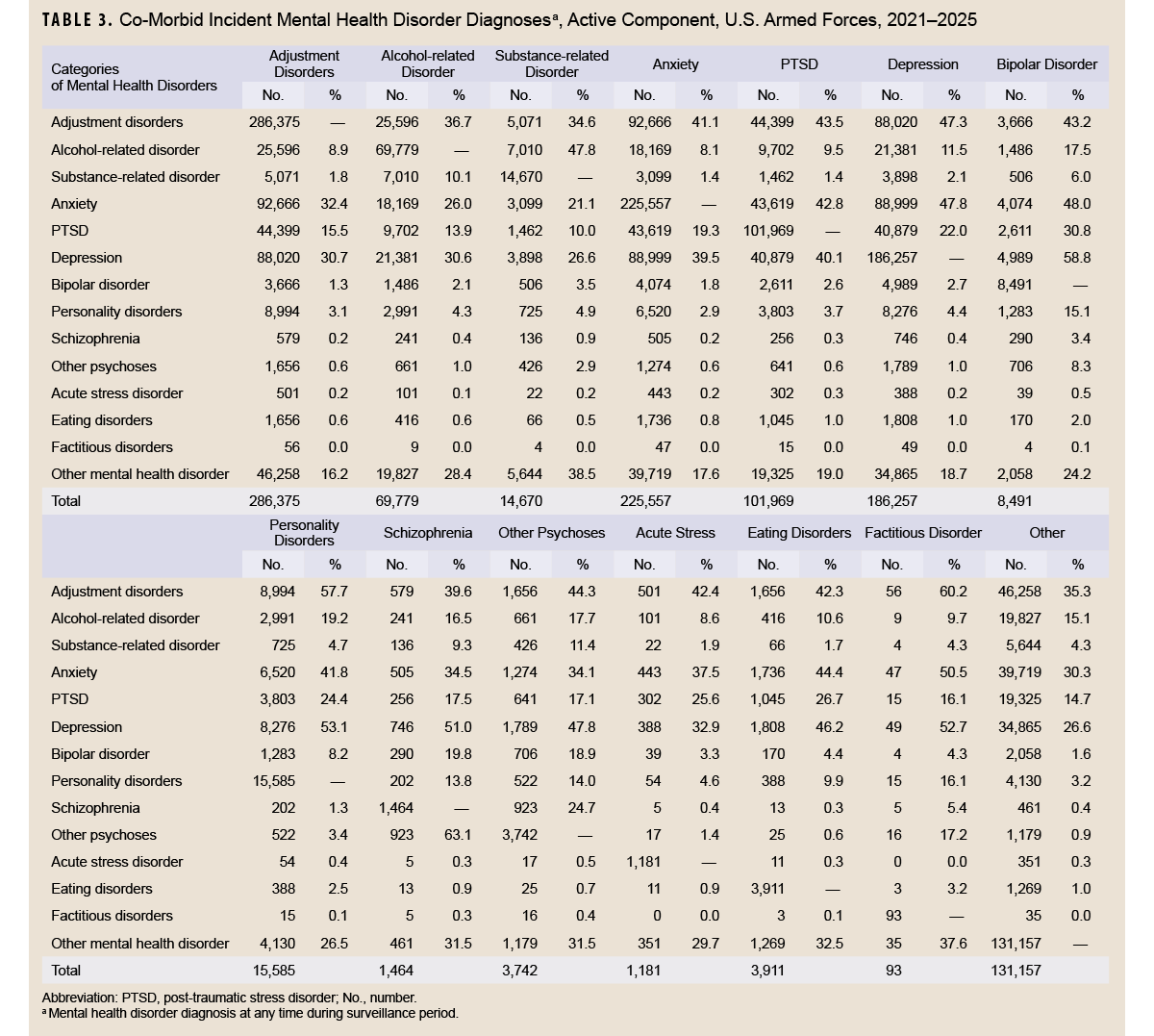
Individuals with mental health disorders are often co-diagnosed with other mental health disorders. For example, adjustment disorders were often co-diagnosed with other mental health disorders, ranging from co-diagnoses with 34.6% of substance-related disorder diagnoses to 57.7% of personality disorder diagnoses during the surveillance period. Depressive disorders were also often co-diagnosed with all other mental health disorders, ranging from co-diagnoses with 26.6% of substance-related disorder diagnoses to 58.8% of bipolar disorder diagnoses. Additionally, co-occurring anxiety disorders were highly prevalent among individuals with other primary diagnoses, affecting 50.5% of those with factitious disorders, 48.0% of those with bipolar disorders, 47.8% of those with depressive disorders, 44.4% of those with eating disorders, 42.8% of those with PTSD, 41.8% of those with personality disorders, and 37.5% of those with acute stress disorder (Table 3).
Incidence rates of mental health diagnoses by sex
In general, most incident mental health disorder diagnoses were more prevalent among female service members, but alcohol- and substance-related disorders were more prevalent in male service members during the 5-year surveillance period. Schizophrenia was diagnosed at a higher rate in male service members in 2024 and 2025 (Figures 1a–2b).
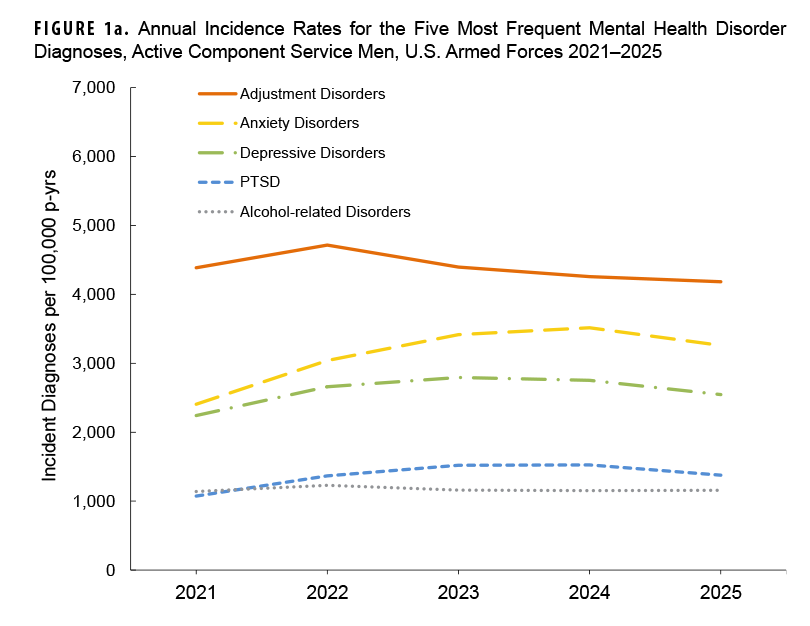
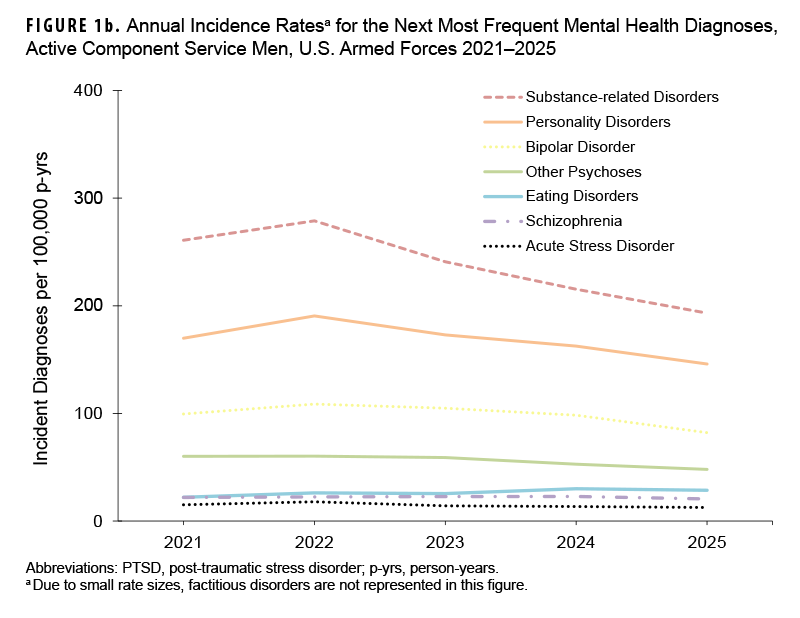
Among male service members, rates of diagnoses including adjustment disorders, alcohol-related disorders, substance-related disorders, bipolar disorders, personality disorders, other psychoses, and acute stress disorders decreased in 2023 and continued a downward trend thereafter, while anxiety disorders among male service members increased through 2024 and then decreased in 2025 (Figures 1a, 1b).
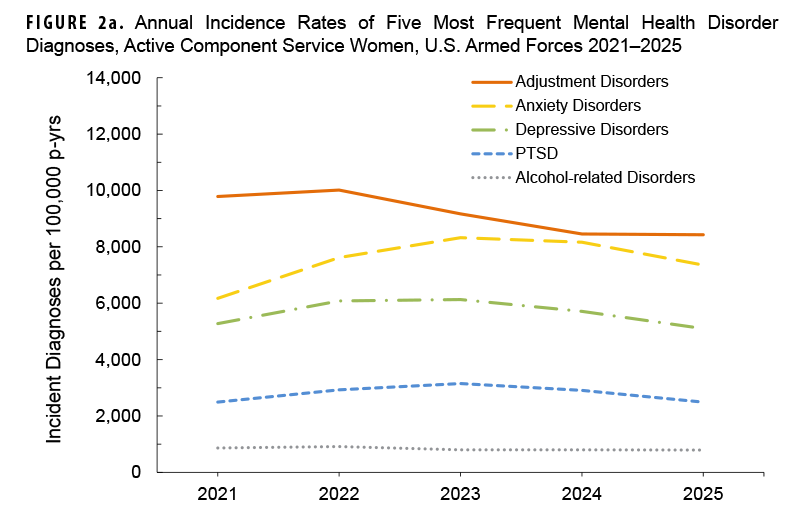
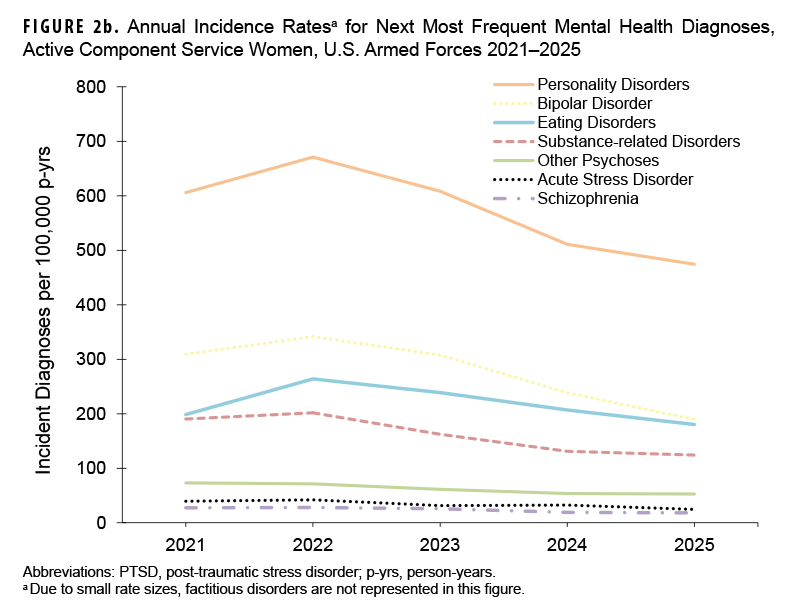
Rates of mental health disorder diagnoses among female service members generally mirrored those of their male counterparts, with the notable exceptions of eating disorders (since 2023) and factitious disorders (since 2024); unlike the fluctuating rates among male service members, those 2 conditions showed a continuous downward trend among female service members. As of 2025, adjustment disorder evinced the highest IRs among women, followed by anxiety disorders, depressive disorders, other mental health disorders, and PTSD. Throughout the 5-year surveillance period, eating disorders occurred 6–10 times more frequently in female service members than in men, and personality disorders were identified 3.1–3.6 times more frequently in women (Figures 2a, 2b).
Incidence rates of mental health diagnoses by age
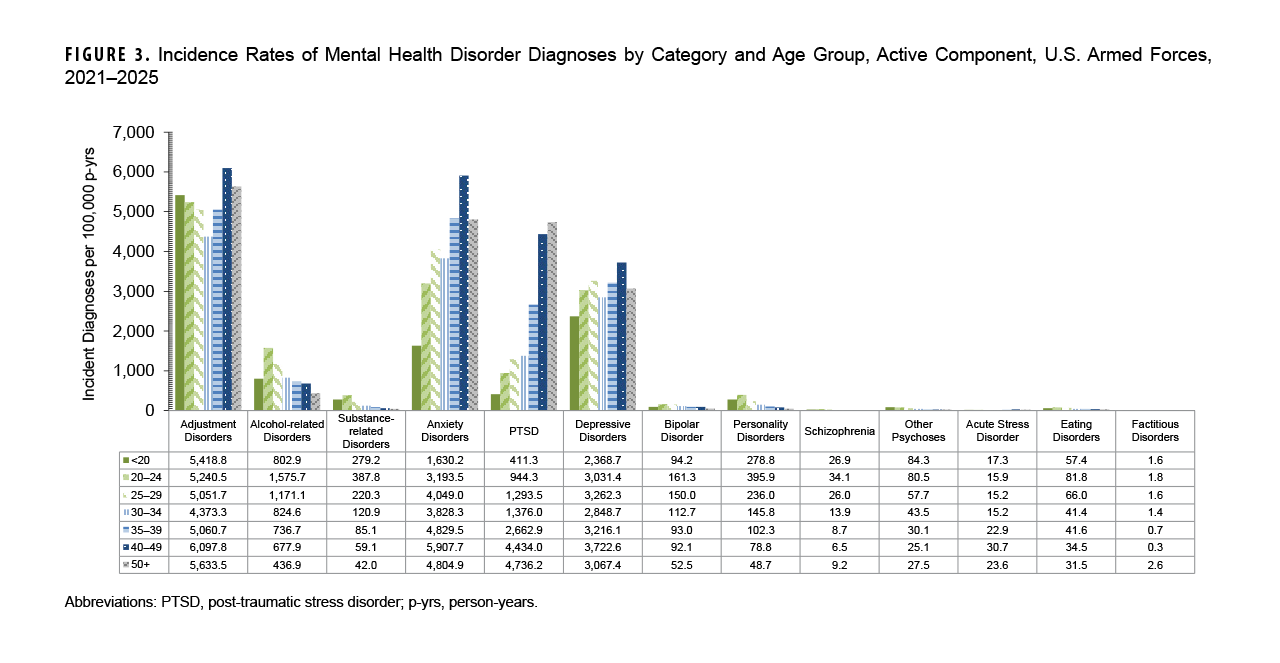
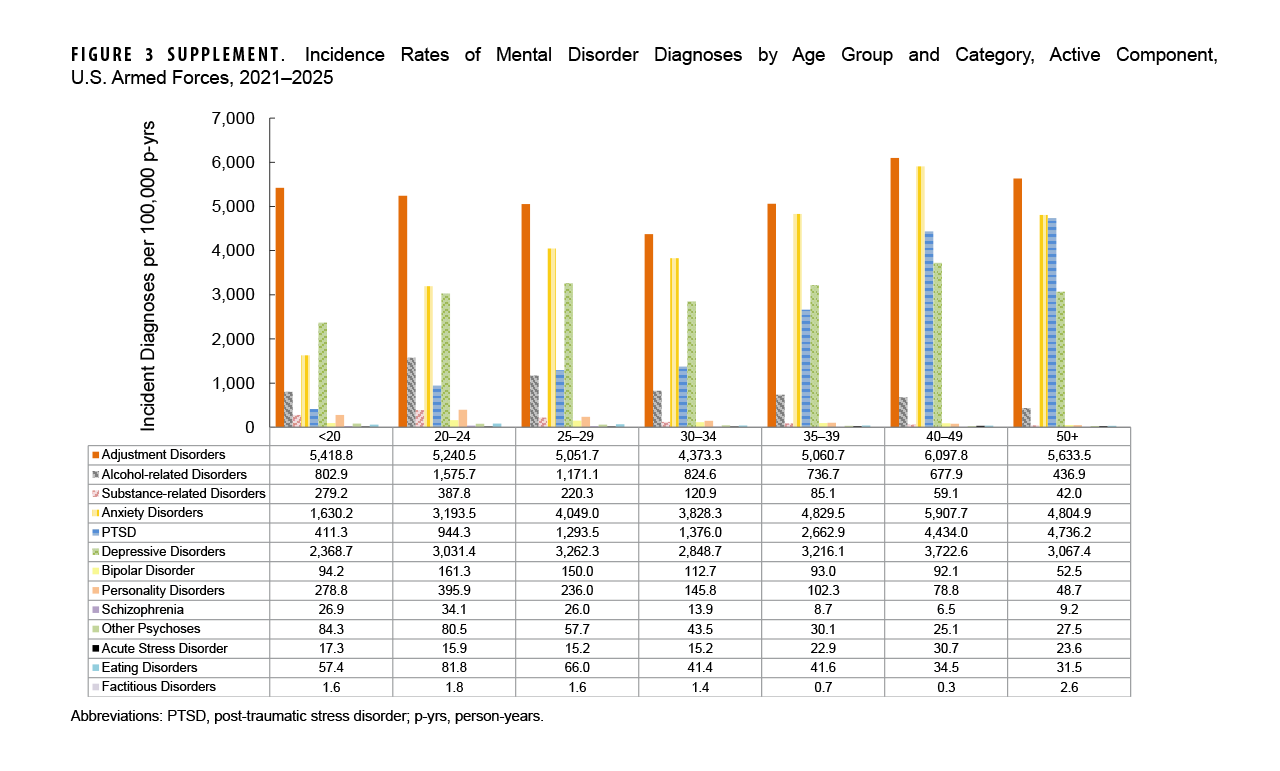
Rates of most mental health disorders varied by age, with adjustment disorders exhibiting the highest incidence among all age groups (Figure 3). Service members younger than age 20 years had the highest IR of other psychoses, compared to all other age groups. Rates of alcohol- and substance-related disorders, along with personality disorders, bipolar disorders, eating disorders, and schizophrenia, were highest for service members ages 20-24 years, then declined with increasing age. As age increased, PTSD increased, while adjustment disorders, anxiety disorders, depressive disorders, and acute stress disorders and factitious disorders evidenced fluctuating trends. ACSMs ages 40-49-years had the highest IRs of adjustment disorders, anxiety disorders, and depressive disorders; and those older than age 50 years had the highest incidence of PTSD and factitious disorders. Rates of adjustment disorders, anxiety disorders, and depressive disorders began increasing among those older than age 30 years until age 49 years, then declining thereafter among those older than age 50 years.
Incidence rates of mental health diagnoses by service
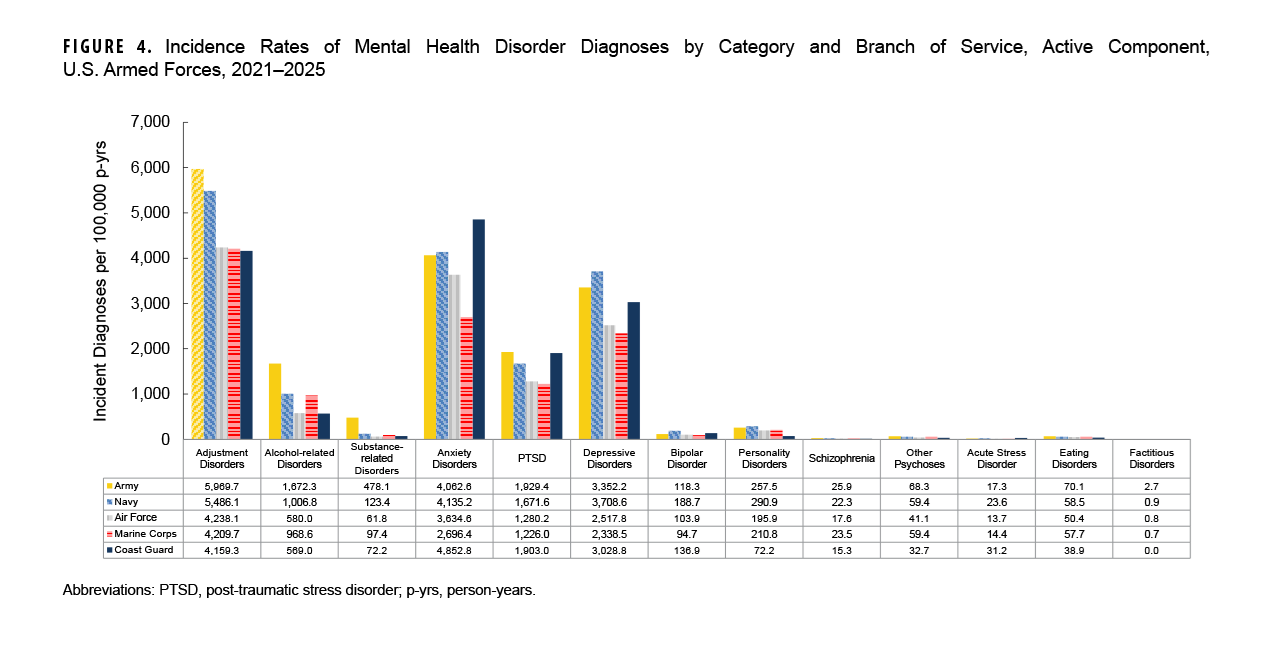
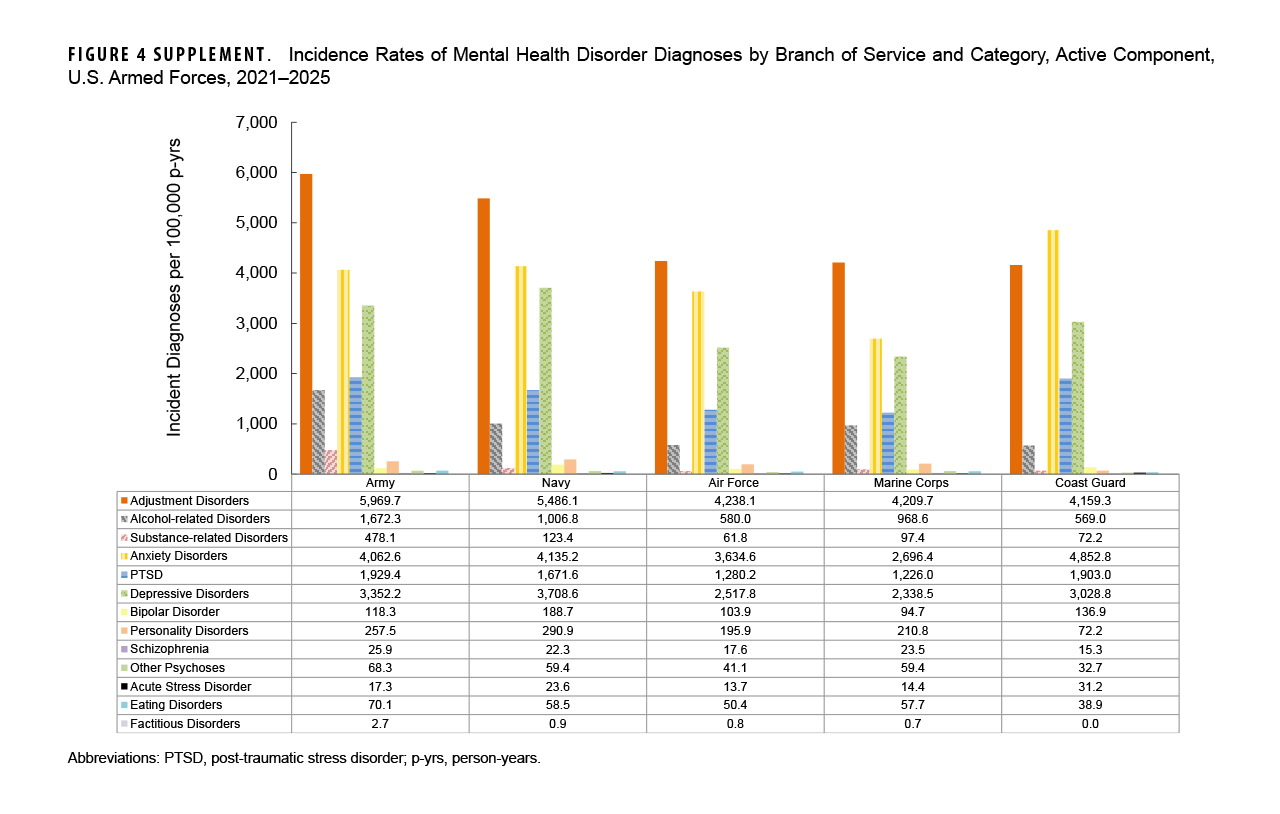
The Army evidenced the highest IRs of mental health disorders, notably adjustment disorders, alcohol-related disorders, substance related disorders, PTSD, schizophrenia, other psychoses, eating disorders, and factitious disorders. The Navy accounted for the highest IRs of depressive, personality, and bipolar disorders, while the Coast Guard accounted for the highest IRs of anxiety and acute stress disorders (Figure 4).
Incidence rates of mental health diagnoses by occupation
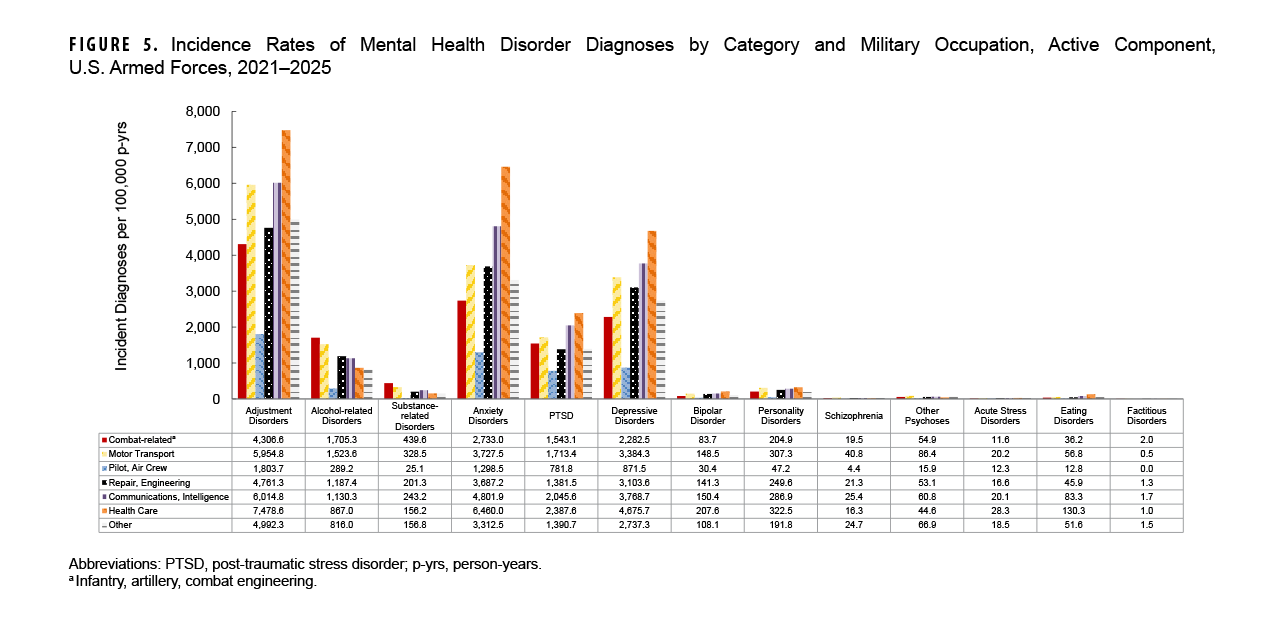
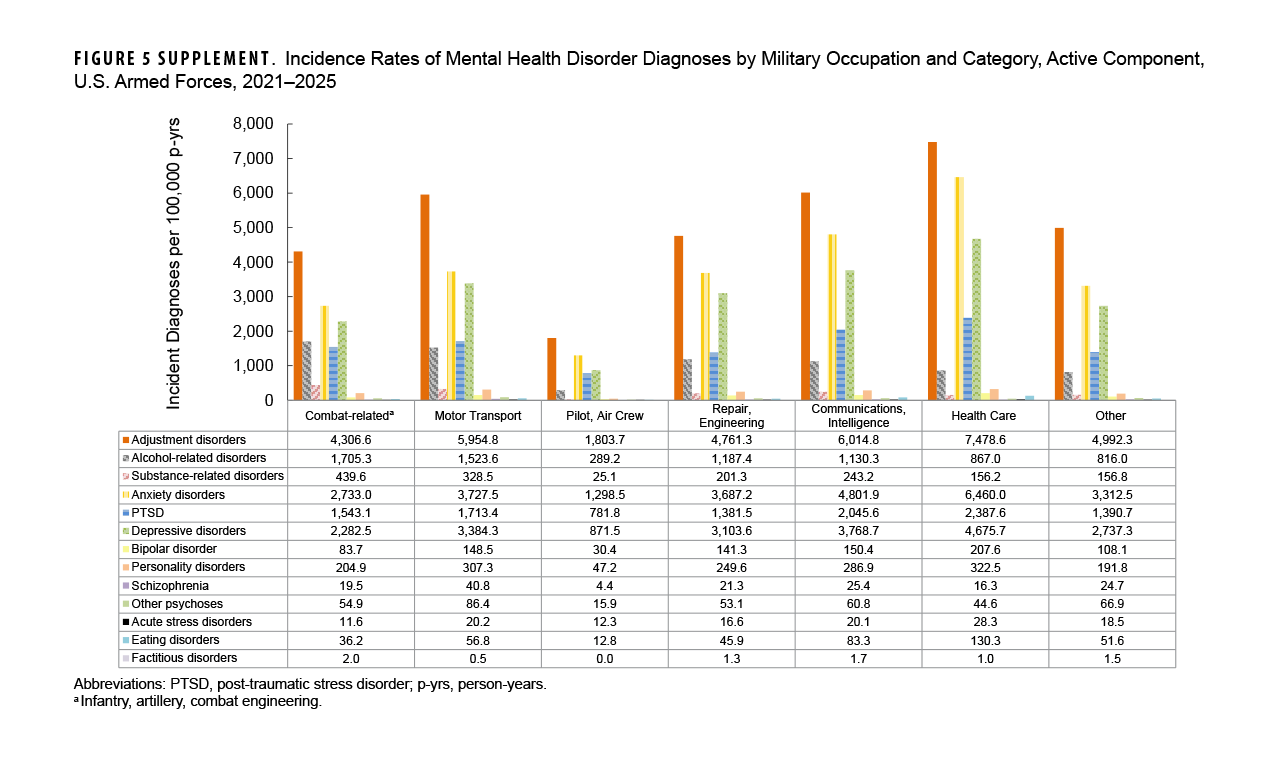
Rates of adjustment disorders, anxiety disorders, depressive disorders, PTSD, personality disorders, bipolar disorders, eating disorders, and acute stress disorders were generally highest in health care occupations. Service members in combat-related roles exhibited the highest IRs of alcohol- and substance-related disorders and factitious disorders, while those in motor transport had the highest rates of other psychoses and schizophrenia. By contrast, pilots and air crew personnel showed the lowest IRs of mental health disorders (Figure 5).
Incidence rates of mental health diagnoses by time in service
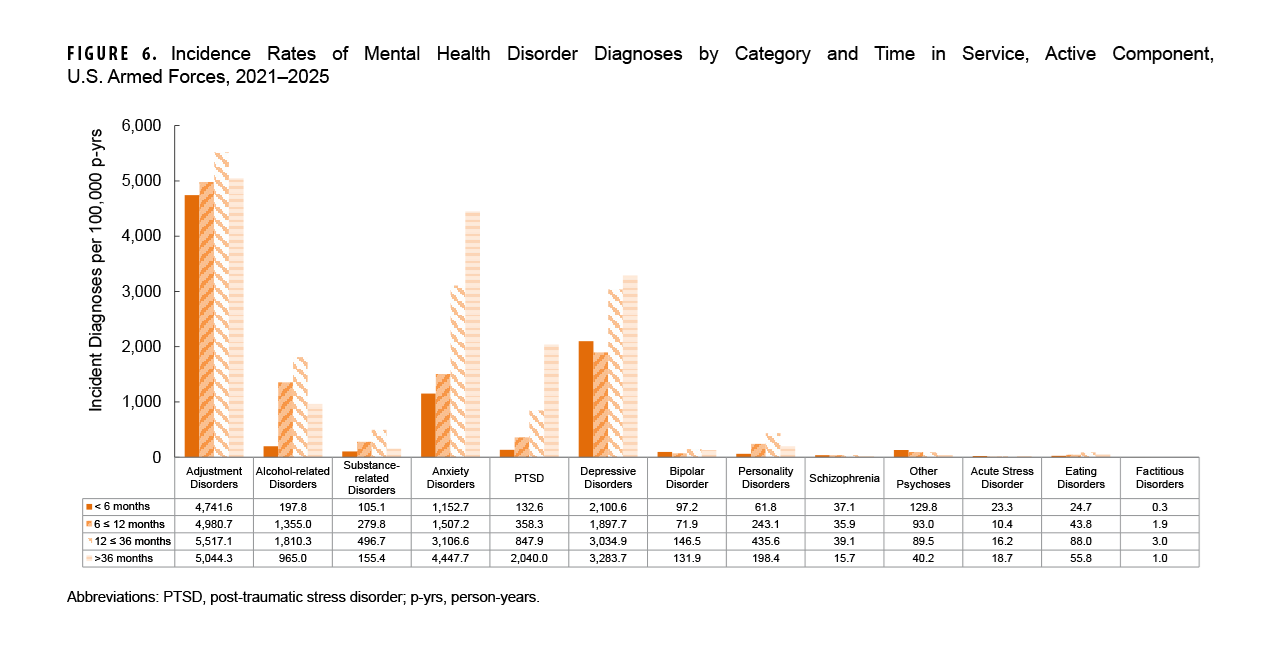
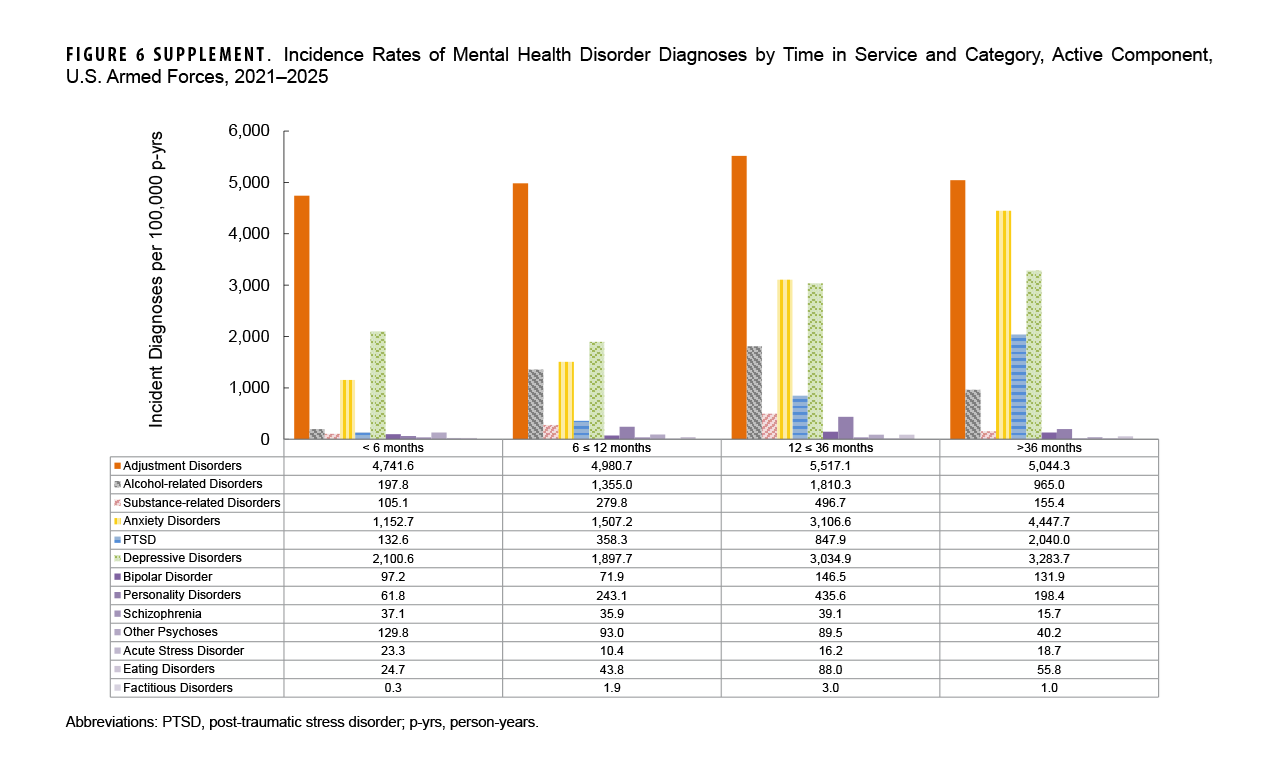
Rates of mental health disorder diagnoses differ by length of service, with highest IRs of other psychoses and acute stress disorder diagnoses occurring among ACSMs with less than 6 months of service. For those who served 12–36 months, the most common diagnoses were adjustment disorders, alcohol-related disorders, substance-related disorders, personality disorders, bipolar disorders, eating disorders, and schizophrenia. Among those who served 36 months or longer, anxiety disorders, depressive disorders, and PTSD were most common (Figure 6).
Discussion
The findings from this 5-year surveillance period underscore a substantial and evolving mental health burden among active component service members of the U.S. Armed Forces. While the overall incidence of mental health diagnoses peaked in 2023 before demonstrating a slight decline through 2025, the volume of health care provision (over 1 million incident diagnoses affecting more than 582,000 service members) highlights the persistent operational impact of behavioral health conditions. Adjustment, anxiety, and depressive disorders overwhelmingly drove this burden, accounting for nearly two-thirds (66.5%) of all incident diagnoses.
Consistent with historical trends, female service members generally experienced higher rates for most mental health conditions, disproportionately bearing the burden of eating and personality disorders. Furthermore, female diagnosis rates for adjustment and anxiety disorders were double those of their male counterparts. Conversely, male service members exhibited higher IRs for alcohol- and substance-related disorders, as well as schizophrenia in the later years of the surveillance period. Occupational analysis further highlights specific vulnerabilities: health care personnel experienced the highest rates of adjustment, anxiety, depressive, and post-traumatic stress disorders, potentially reflecting the compounding, chronic stress inherent to military medicine. In contrast, combat-related roles were most closely associated with alcohol and substance-related disorders, pointing to different environmental stressors and possibly different behavioral coping mechanisms among specialties.
The manifestation of mental health disorders shifted significantly across a service member's career lifecycle. Early-career personnel (younger than 20 years of age or with less than 6 months of service) were most vulnerable to acute stress and psychotic disorders, which may reflect the initial stressors of transitioning into the rigorous military environment. Mid-career members (ages 20–24 years or 12–36 months of service) saw peaks in substance-related, bipolar, and personality disorders. As time in service and age increased, the clinical presentation shifted heavily toward cumulative or chronic conditions, with personnel older than age 40 years experiencing the highest rates of PTSD, anxiety, and depressive disorders.
Finally, the high rate of diagnostic comorbidity presents a substantial clinical challenge. Nearly half (48.4%) of the affected surveillance population received diagnoses in more than 1 mental health category, with adjustment and depressive disorders frequently co-occurring with conditions such as substance-related and bipolar disorders. This complicated clinical picture suggests that isolated, single-disorder treatment approaches may be insufficient for this population.
There are several limitations to interpreting the results in this report. First, this report was compiled based on standardized administrative records that may not be reliable indicators of the true burden of mental health disorders among military service members. Second, this report may under-estimate the incidence of mental health disorders if service members did not seek appropriate care or received care not documented routinely as ICD-9/ICD-10-coded diagnoses (e.g., from counseling or advocacy support centers, chaplains), or if mental health disorders were not diagnosed or reported on standardized records of care (e.g., from private practitioners), or if diagnoses were miscoded or incorrectly transcribed on centrally transmitted records. Conversely, some conditions may have been erroneously diagnosed or miscoded (e.g., screening visits) as mental health disorders, which could contribute to an over-estimation of the true burden of disease. Lastly, these analyses summarize the experiences of individuals while serving in an active component of the U.S. military and do not include mental health disorders or problems that affected members of reserve components or veterans of recent military service who received care outside the MHS.
The DOW policy framework actively promotes help-seeking by protecting patient privacy during mental health and voluntary substance misuse treatments.7 This confidentiality is reinforced by the Brandon Act’s mandate for unquestioned, expedited command referrals.6 Notably, the 2023 peak in overall incidence and high volume of anxiety and adjustment disorders coincides with the early implementation of these initiatives aimed at reducing stigma and removing barriers to care. As service members use these protected mechanisms, an initial rise in diagnosed incidence may represent an indicator of increased care provision rather than a confirmed expansion of disease burden.
Mental health is an integral component of military readiness and operational lethality. Consistent epidemiological surveillance is a proven mechanism for monitoring health care provision, clinical treatment, and timeliness of care.9 Ultimately, the high rates of diagnostic comorbidity and occupational vulnerabilities documented in this report reveal the need for multidisciplinary clinical care capable of managing complex, concomitant behavioral health needs throughout the force.
References
- Office of the Under Secretary of Defense for Personnel and Readiness. Department of Defense Instruction Number 1010.10: Health Promotion and Disease Prevention. U.S. Dept of War. Updated May 16, 2022. Accessed Jul. 7, 2026. https://www.esd.whs.mil/portals/54/documents/dd/issuances/dodi/101010p.pdf
- Romero M. AFMS leaders shape future of military health with joint services, federal health experts at AMSUS. Air Force Medical Service. Dept. of the Air Force, U.S. Dept. of War. Mar. 30, 2026. Accessed Jul. 21, 2026. https://www.airforcemedicine.af.mil/news/display/article/4446113/afms-leaders-shape-future-of-military-health-with-joint-services-federal-health
- Hepner KA, Roth CP, Qureshi N, Sousa JL. Improving Behavioral Health Care in the Military Health System: Challenges, Promising Strategies, and Research Directions. RAND Corporation;2023. Accessed Jul. 21, 2026. https://www.rand.org/pubs/perspectives/PEA2038-1.html
- Armed Forces Health Surveillance Division. Absolute and relative morbidity burdens attributable to various illnesses and injuries among active component members of the U.S. Armed Forces, 2025. MSMR. 2026;33(6/7):4-12. Accessed Aug. 13, 2026. https://www.health.mil/news/articles/2026/07/01/msmr-health-care-burden-active-component-2025
- Armed Forces Health Surveillance Division. Hospitalizations among active component members of the U.S. Armed Forces, 2025. MSMR. 2026;33(6/7):13-20. Accessed Aug. 13, 2026. https://www.health.mil/news/articles/2026/07/01/msmr-hospitalizations-2025
- Under Secretary of Defense for Personnel and Readiness. Memorandum for Senior Pentagon Leadership Defense Agency and DoD Field Activity Directors: Directive-type Memorandum 23-005—“Self-Initiated Referral Process for Mental Health Evaluations of Service Members”. U.S. Dept of War. Updated Apr. 29, 2026. Accessed Jul. 21, 2026. https://www.esd.whs.mil/portals/54/documents/dd/issuances/dtm/dtm-23-005.pdf
- Office of the Under Secretary of Defense for Personnel and Readiness. DoD Instruction 6490.08: Command Notification Requirements to Dispel Stigmas in Providing Mental Health Care to Service Members. U.S. Dept. of War. Sep. 6, 2023. Accessed Jul. 21, 2026. https://www.esd.whs.mil/portals/54/documents/dd/issuances/dodi/649008p.pdf
- Military Health System. Surveillance Case Definitions. Health.mil. Armed Forces Health Surveillance Division, U.S. Dept. of War. Accessed Jul. 21, 2026. https://health.mil/military-health-topics/health-readiness/public-health/afhsd/epidemiology-and-analysis/surveillance-case-definitions
- Government Accountability Office. Defense Health Care: DOD Should Monitor Urgent Referrals to Civilian Behavioral Health Providers to Ensure Timely Care. GAO-24-106267. U.S. Congress. Feb. 6, 2024. Accessed Jul. 21, 2026. https://www.gao.gov/products/gao-24-106267
Acknowledgment
The editors would like to thank Jessica H. Murray, MPH, Epidemiology and Analysis Branch, Armed Forces Health Surveillance Division for the analysis of data.
Disclaimers
The views expressed in this report reflect the results of research conducted by the authors and do not necessarily reflect official policy nor position of the Defense Health Agency, Department of War, or the U.S. Government.
The editors disclose use of an artificial intelligence (AI) language model during this report’s preparation from Gemini Enterprise, a large language model from Google optimized specifically for Department of War mission support within an Impact Level 5 environment. This AI application was used to assist with initial discussion drafts, to refine prose for clarity. MSMR editors directed all AI review and analysis, with careful editorial review and final edits. The editors assert full responsibility for the accuracy and integrity of the final content.